
From niche to mainstream: Aparthotels and Saxbury 10 years on
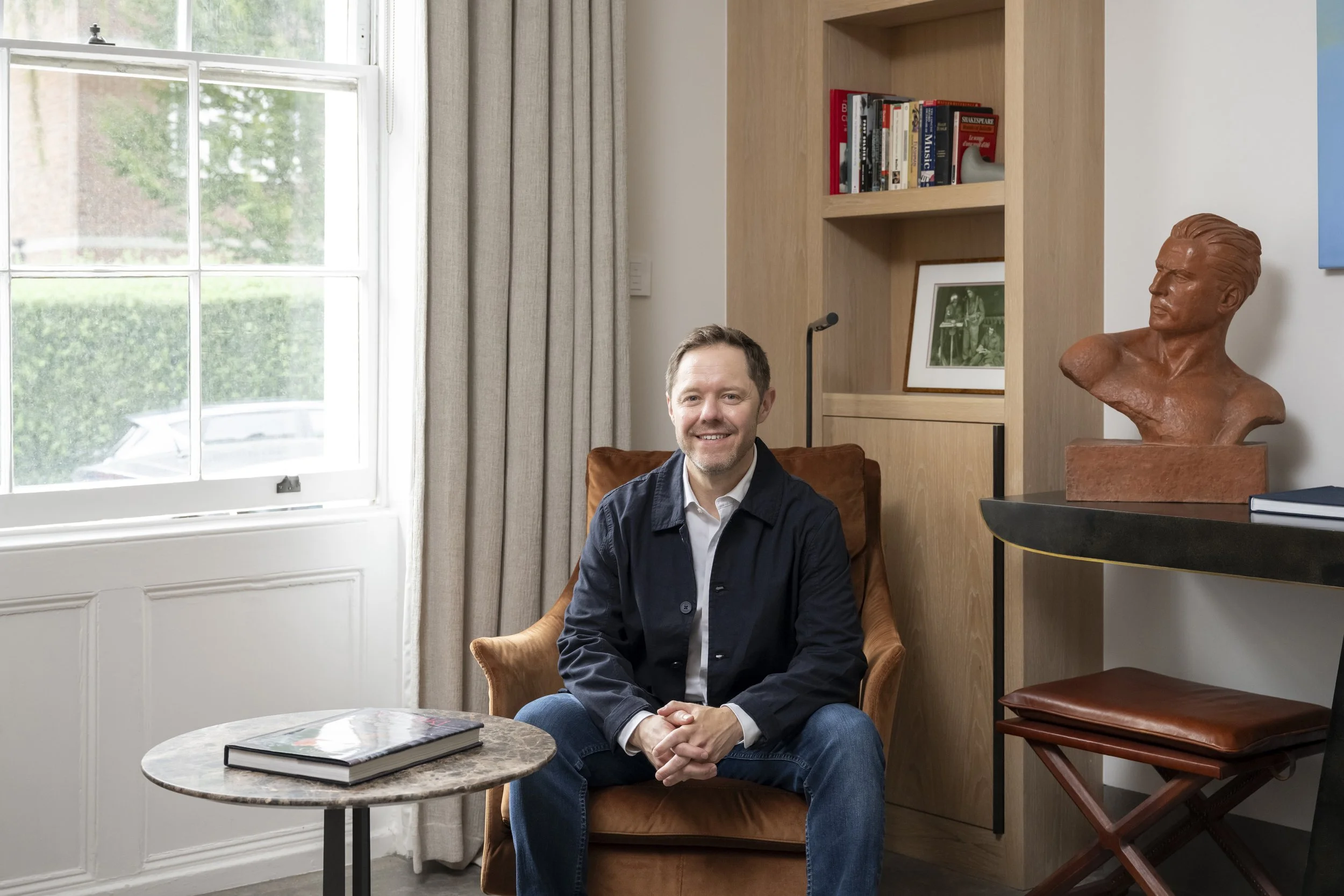
Saxbury’s Real Estate Director Ben Davis reflects on how serviced apartments became one of hospitality’s fastest-growing sectors – and spotting the gap in the market.
In 2017, the serviced apartment and aparthotel sector was gaining momentum, but the advisory world hadn’t caught up. Investors were beginning to take notice, developers were exploring new hospitality formats and brands were expanding rapidly across Europe. Yet most property brokers were still applying traditional hotel thinking to what was, in reality, a very different model.
That disconnect revealed an opportunity: “We saw a gap the hotel agents weren’t addressing,” explains Saxbury’s Ben Davis. “Serviced apartments were growing fast, but the advisory market was still treating them like conventional hotels, or worse, making unfavourable comparisons to private residential flats.”
This insight led to the creation of Saxbury, as a specialist development advisor and broker focused on the serviced apartment and aparthotel sector. Nearly a decade on, we look back at the evolution of the market – and why specialism matters.
What we do?
Saxbury typically advises developers, landlords and global brands on:
Office-to-aparthotel conversions
Purpose-built aparthotel developments
Operator searches and brand introductions
Lease and management contract structuring between landlords and brands
Structured finance
“We don’t just sell a site. We curate opportunities,” says Ben. “Our job is to make sure the building, the location and the brand all align from the outset.”
That alignment is critical because the economics of aparthotels differ from traditional hotels. Unlike hotels, they demand kitchen provision, and less front and back of house space. “The model is driven by how efficiently you monetise square metres. Larger units, multi-bedroom formats and longer average stays all change the feasibility analysis.”


What makes the right building?
Not every building works – and selectivity is key.
“Only a small fraction of the opportunities we review actually stack up,” explains Ben. “Location is obviously critical – proximity to transport hubs, business districts, hospitals or cultural centres all matter. But the physical structure of the building is just as important.”
Interestingly, many older office buildings lend themselves well to conversion. “Hotels rely on repetitive room modules of around 18 square metres. Aparthotels are more flexible. You can design one- or two-bedroom units that work with existing column grids.”
Other factors – such as ceiling height, window lines and planning use class flexibility – also play an important role. “If we’re advising a developer, we stress-test the scheme from an operator’s perspective very early. That avoids expensive redesigns later.”
What Saxbury looks for in developer clients
“We look for developers who understand this is operational real estate – not just a build-and-flip exercise,” Ben explains. “The relationship with the brand matters, and so does the long-term durability of the income.”
The advisory relationship, he says, works effectively when clients value challenge as well as opportunity. “The best clients want honest advice. We’re not there to say yes to everything – we’re there to protect value.”
Through its ongoing relationships with leading European serviced apartment brands, Saxbury can present opportunities to a highly targeted market. “When we bring something forward, it’s credible and carefully positioned.”

Translating between landlords and brands
One of Saxbury’s key strengths lies in bridging the gap between property owners and hospitality operators.
“Landlords often underestimate how nuanced aparthotel leases can be,” Ben says, adding that indexation structures, base rents, turnover top-ups and fit-out contributions all need careful consideration.
“Our role is to structure something that’s bankable for the landlord but also operationally viable for the brand. If either side feels squeezed, the deal won’t stand the test of time.”
Aparthotel vs Airbnb: Understanding the difference
Consumer perception also plays a role in the sector’s growth.
“Airbnb might have become a noun, but it isn’t actually a product – it’s a booking platform,” Ben explains. “Many listings are privately owned apartments with very different standards. You never quite know what you’re going to get.”
Professionally operated aparthotels, by contrast, offer consistency and reliability. You have proper licensing, professional management, consistent design standards and 24/7 guest support.
The appeal is particularly strong for corporate travellers and families. “Aparthotels combine the space and flexibility of an apartment with the reliability of a hotel – and for many guests, that balance is exactly what they’re looking for.”

Sustainability and regeneration
Beyond the financial case, aparthotel developments increasingly play a role in urban regeneration.
“Retaining an existing building frame dramatically reduces embodied carbon,” Ben notes. “Demolition and rebuild isn’t always necessary.”
As cities look to repurpose obsolete office buildings, serviced apartments are emerging as a practical solution. “Local authorities are increasingly recognising that these properties support business travel, healthcare visits and relocation stays – they’re not short-term party flats.”
Ready to explore the opportunity?
As the aparthotel sector continues to mature across Europe, specialist expertise remains crucial.
“The difference between a good deal and a great one is alignment,” Ben reiterates. “Alignment between the building, the brand and the long-term strategy.”
For landlords, developers and investors exploring serviced apartment opportunities, that alignment can make all the difference.